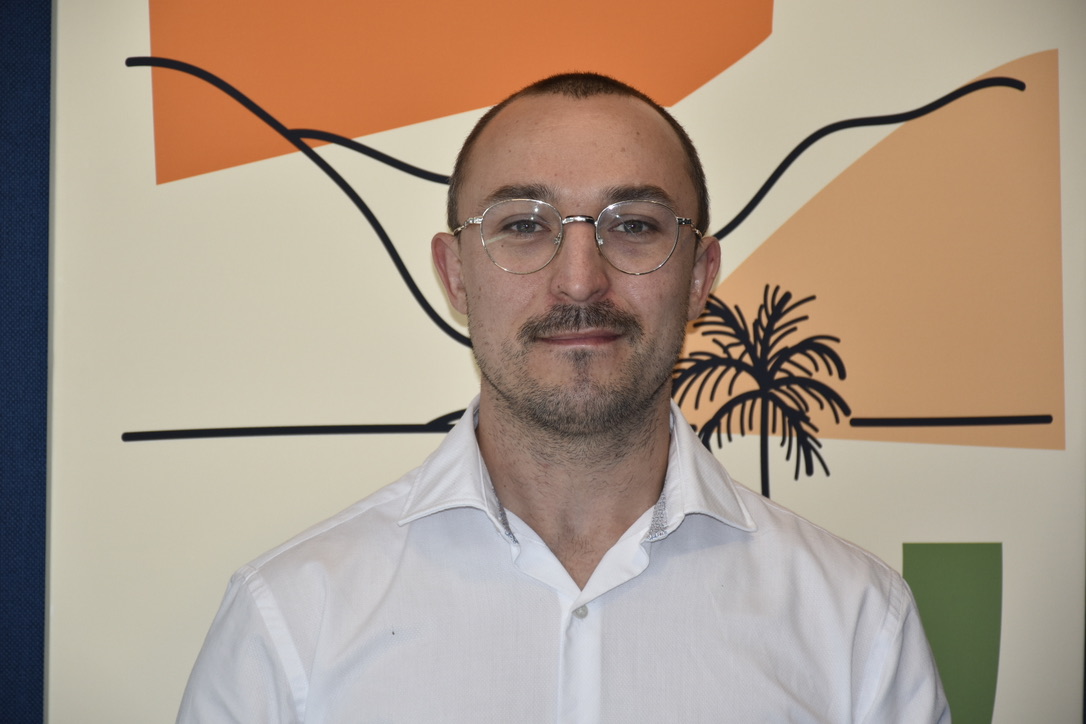
 Steve Jones — Operations & Customer Experience Executive
I started on the front line of operations — the one explaining to a customer why their claim, order, or service job was weeks late and nobody had told them. Long before I ever touched a workflow diagram or an automation platform.
That's the seat most "AI workflow" advice gets written from a long way away. Based in Perth, I'm currently a working operations and customer experience executive — owning the systems that decide whether an issue gets handled in hours or lost for weeks.
Carpent grew out of that job, not around it. Everything I build gets tested inside a real operation first, on whatever CRM, helpdesk, or ERP that business already depends on — platform-agnostic by preference, across software, automotive, and electrical hardware/tech companies. What I bring to other operators is work that's already been tested on my own team, not a framework I read about.
Carpent exists for people in the same seat — Australian businesses from startup to scale-up and beyond, wherever you're based: operations leaders, service and support leads, and technical teams who need practical systems, not another slide on "the future of AI." If that's you, the fastest way in is to bring one workflow that's actually broken.